The Stockyards in Fort Worth, Texas have fascinated us for years. It was the main reason we decided to visit Fort Worth.
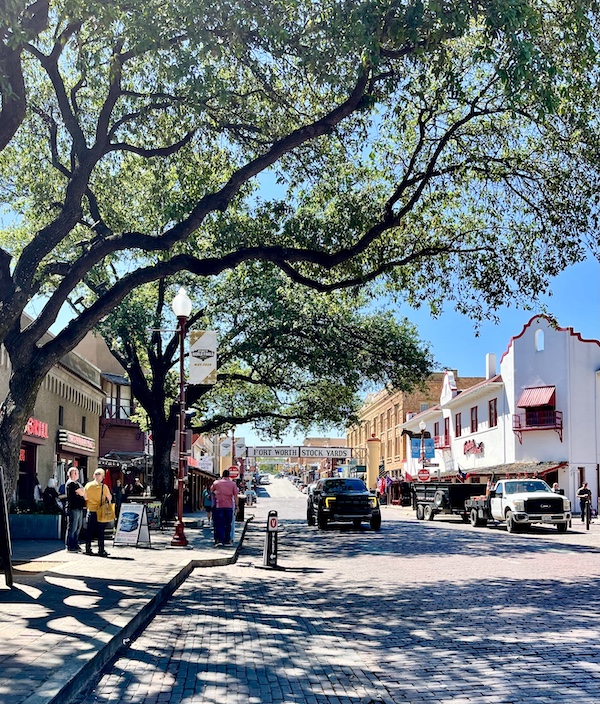
Welcome to The Stockyards Fort Worth Texas
After watching 1883, a prequel to the Yellowstone series, on TV I couldn’t wait to visit the Stockyards!
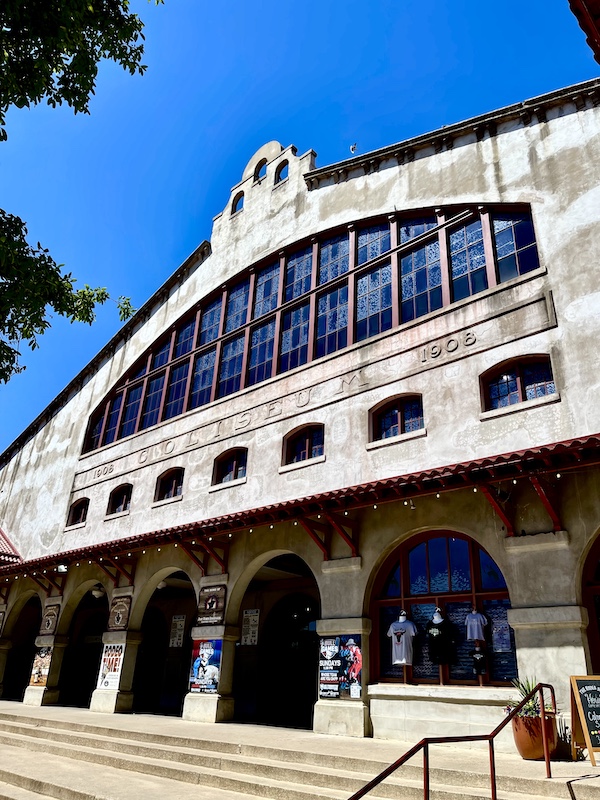
Cowtown Coliseum
I mentioned the Chisholm Trail in my post about the Brazos Riverwalk in Waco. Cattle drovers would drive cattle up the Chisholm Trail to the railheads. Fort Worth was their last stop along the trail to rest up and stock up on supplies. After that they’d be crossing the Red River and into Indian Territory.
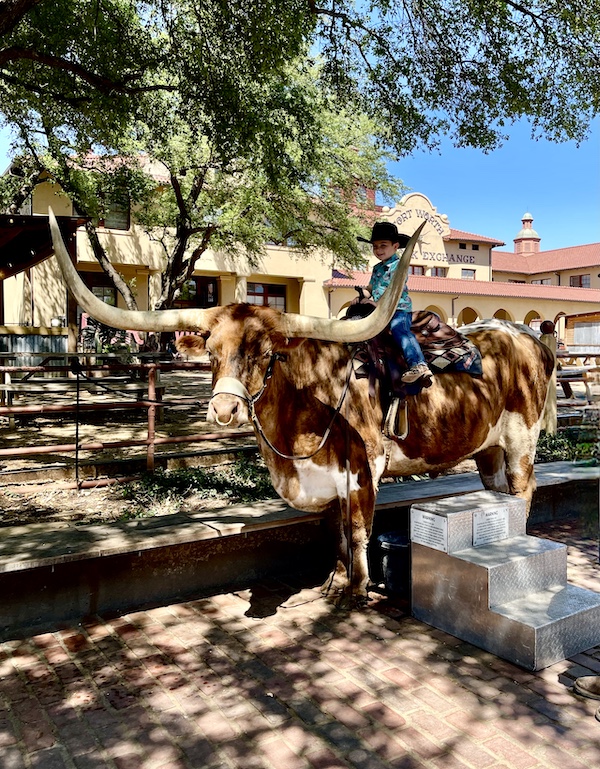
Riding High
From 1866 to 1890 those drovers brought more that four million head of cattle through Fort Worth. That’s how Fort Worth became dubbed Cowtown.
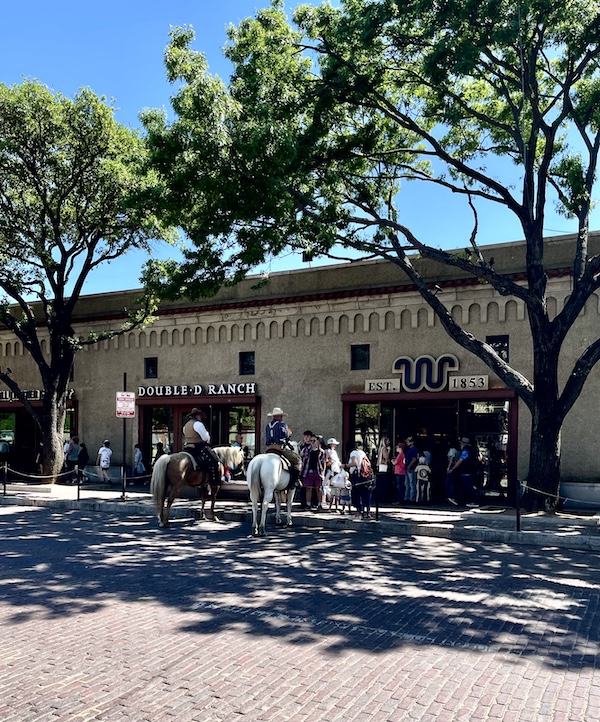
Shopping Cowboys
The railroad arrived in 1876. This propelled Fort Worth to become a major shipping point for livestock. Building the Union Stockyards became a necessity by 1887.
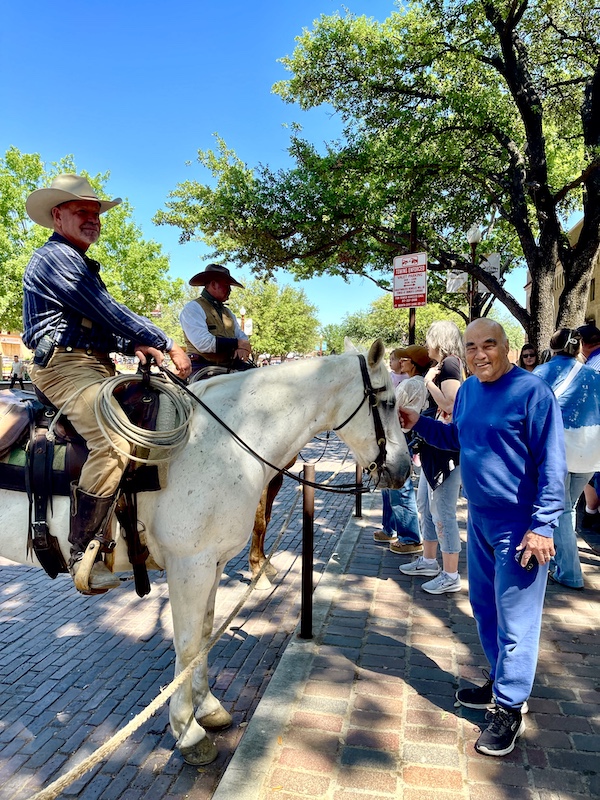
Making Friends
Unfortunately the Union Stockyards Company didn’t have sufficient funds to buy enough cattle to attract local ranchers. That led Stockyards President Mike C. Hurley invited a wealthy Boston capitalist, Greenleif Simpson, to Fort Worth in hopes he would invest. By a pure stoke of luck, Simpson arrived to find the pens filled with cattle. What he didn’t know was that he arrived just before heavy rains and a railroad strike. But, as they say “ignorance is bliss”. He liked what he saw and decided it was a great investment.
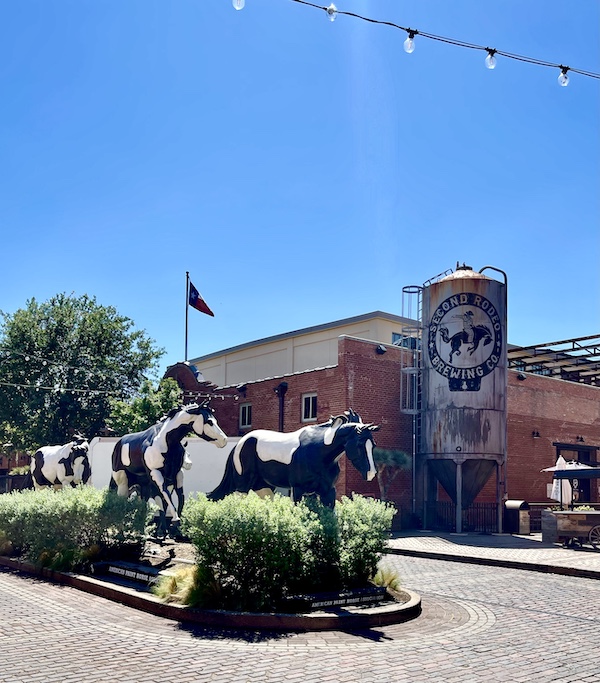
American Paint Horse Association
On April 27, 1893, Simpson bought the Union Stockyards for $133,333.33. From then until now it’d known as the Fort Worth Stockyards Company.
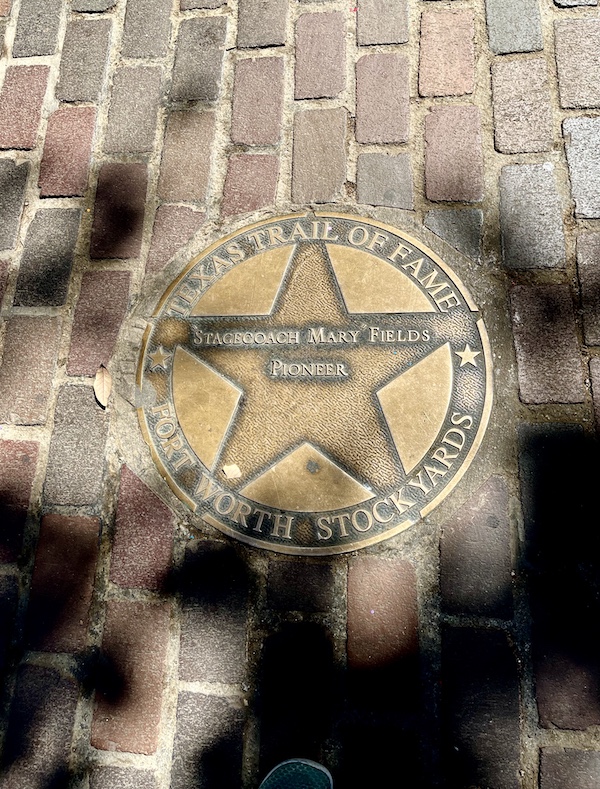
Honoring Mary Fields Stagecoach Pioneer
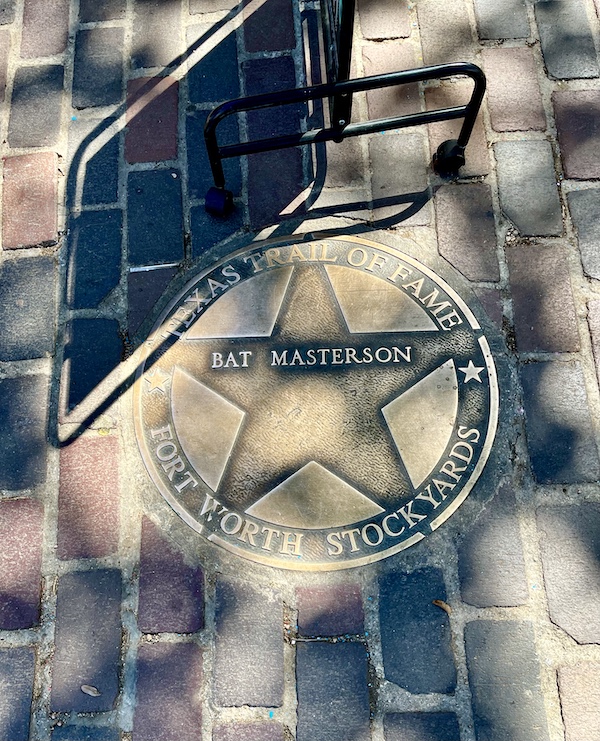
Honoring Bat Masterson
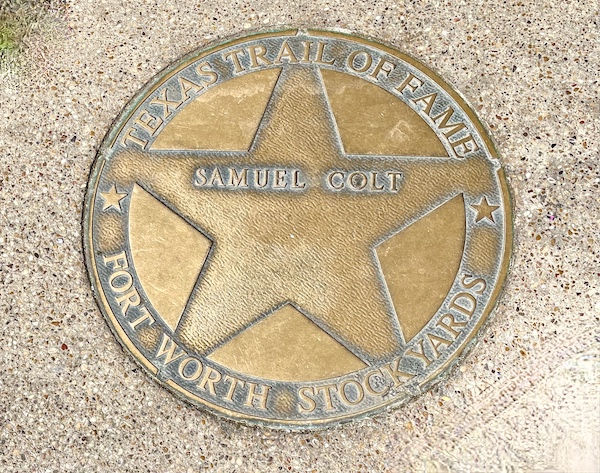
Honoring Sam Colt Creator of the Colt 45
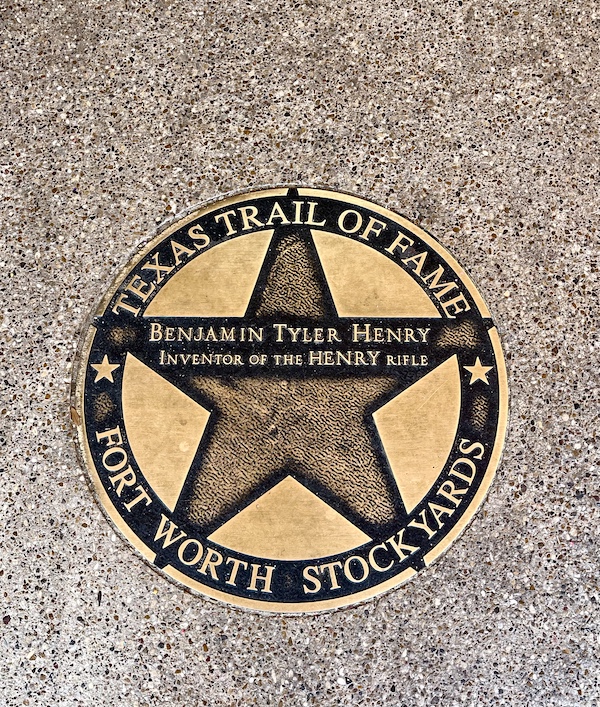
Honoring Benjamin Henry inventor of the Henry Rifle
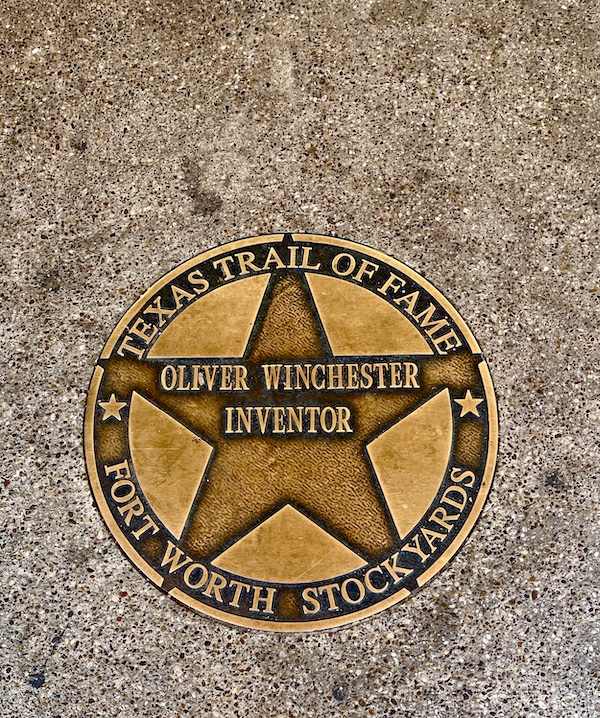
Honoring Oliver Winchester, inventor of the Winchester Rifle
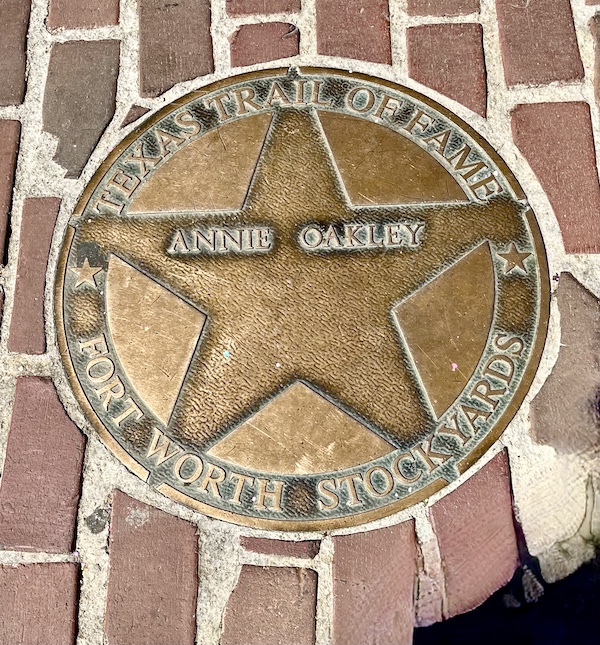
Honoring Annie Oakley
Other investors were invited to join him, including his Boston neighbor, Louville V. Niles, who was mainly in the meatpacking business. It wasn’t long before they realized that they’d be better off building meat processing plants near the stockyards instead of shipping the cattle off to other markets to be processed, keeping the business in the city. Major packers became investors. By around 1900, both Armour and Co. and Swift and Co came to Fort Worth to build plants near the Stockyards.
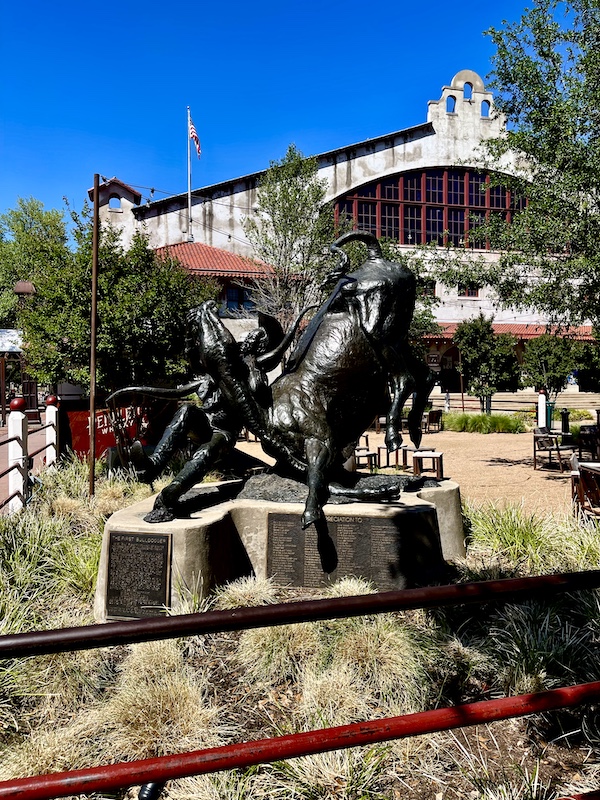
The First Bulldogger
At about the same time, construction started on the pens, the barns, and the new Livestock Exchange Building, This housed the many livestock commission companies, telegraph offices, railroad offices and other support businesses. It soon became known as “The Wall Street of the West.”

Cowboy Red Steagall
One thing led to another and the success of the Stockyards meant the area now needed an indoor show facility. In 1907, construction began on a grand coliseum that is now known as the Cowtown Coliseum. It was completed just in time for the grand opening of the Feeders and Breeders Show. The Coliseum became the home of the first indoor rodeo.

Texas Longhorn at the Ready
During World War II, the Fort Worth Stockyards processed 5,277,496 head of livestock, making 1944 the peak year of the entire operation. Unfortunately, the decline of the Stockyards coincided with the decline of the railroad.

Relaxing in the shade while waiting for the cattle drive
Once World War II ended, newly paved roads gave rise to the trucking industry, which offered lower costs and greater flexibility than the railroads. This meant the market moved to the shipper instead of the meat packer, and smaller local livestock auctions and feedlots drew business away from central locations like the Stockyards.

Waiting for the Cattle Drive
Armour closed its Fort Worth plant in 1962. Swift managed to hang in there for nine years longer, closing in 1971.

Here the come!!!
By 1986, Stockyards sales reached an all-time low of 57,181 animals.

You can sure see why they’re called Longhorns!
Fortunately Charlie and Sue McCafferty had founded the North Fort Worth Historical Society in 1976 in order to preserve Forth Worth’s livestock heritage.

C’mon Little Doggie
Due to their efforts the Fort Worth Stockyards National Historical District was established.bringing about the restoration of landmarks like the Livestock Exchange Building, the Coliseum and the former Swift and Co. headquarters.

It’s a wonder they never lock horns!
Then in 1989, the North Fort Worth Historical Society opened the Stockyards Museum in the historic Exchange Building. Thousands of visitors come to the museum each year from all over the world.

Turning the corner…
Staying true to tradition, the Stockyards still hosts the world’s only twice-daily cattle drive. Along with the daily cattle drives more than a hundred new shopping, dining and entertainment venues opened.. All of this is what makes the Fort Worth Stockyards National Historical District one of Texas’ most popular tourist destinations.

Round the bend
Steve and I thoroughly enjoyed our time at the Stockyards shopping, tasting and wandering the area walk of fame. But the highlight was watching those majestic Longhorns roam passed us as the cowboys “drove” the up the street on the route to their pens!!!